This post maps the risk. It is not medical advice. The medication decision belongs with your travel clinic, not the internet.
Few questions generate more contradictory advice than this one. One forum says take the pills no matter what; a local says nobody bothers. Both are describing something real. The confusion clears once you see that malaria risk in Namibia is regional and seasonal, not national.
The risk map
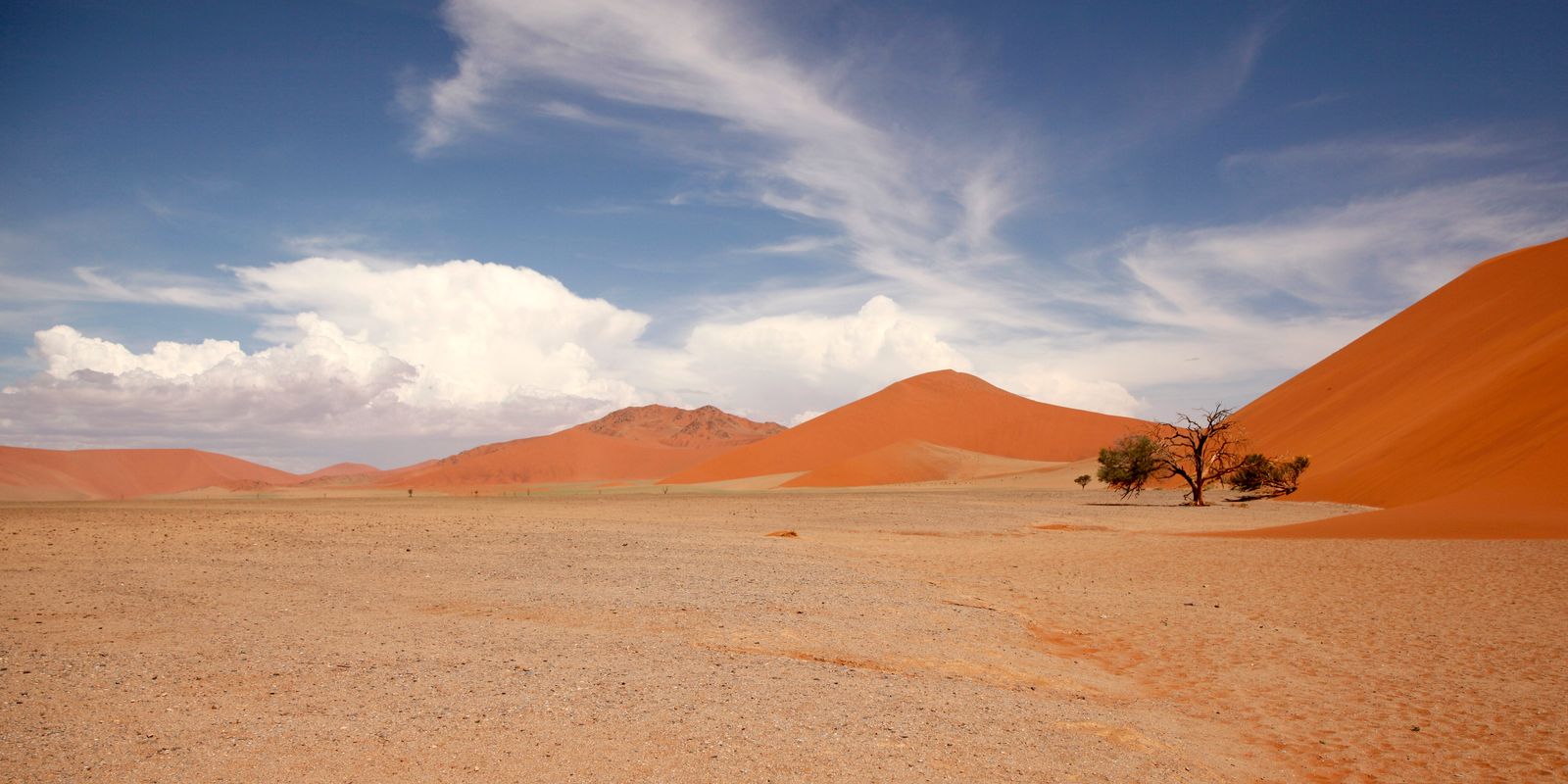
Effectively no risk: Windhoek, the coast, the Namib desert, and everywhere south of roughly Mariental. Most of the classic Sossusvlei, Swakopmund and Damaraland circuit sits in this zone.
Seasonal risk: the northern third of the country, including Etosha, roughly September to May, peaking in the rainy months.
Highest risk: the Zambezi region in the far northeast, year-round.
What this means for your trip
A classic desert-and-coast itinerary in the dry winter months carries very little malaria risk. Add Etosha in the wet season, or travel into the Zambezi region at any time, and prophylaxis becomes a serious conversation. The rule of thumb many travellers use is "prophylaxis north of Windhoek," but your clinic will refine that against your exact route and dates.
The basics everyone underdoes
Whatever you decide about medication: use repellent in the evenings, cover up at dusk, and sleep under the nets lodges provide. And one non-negotiable rule: any fever during or after your trip gets tested for malaria immediately. Do not wait it out.
Any fever during or after the trip gets tested. Immediately.
When we design your journey, we flag the malaria question against your actual route and season, so you walk into the clinic with the right map.
Start an inquiry, and tell us when you are thinking of coming.